


Yellowstone snowmobile plan finally getting off its merry-go-round?
Effects of Noise on Wildlife, Human impacts, News, Vehicles, Wildlands Comments Off on Yellowstone snowmobile plan finally getting off its merry-go-round?It’s been a couple of years since we’ve checked in on the eternal Snowmobiles in Yellowstone debate, and in what’s sure to be a shock for those who’ve been following the issue since the Clinton administration, not much has changed! During Team Obama’s first summer, Ken Salazar announced that the ongoing string of temporary winter use plans would be extended for a couple of years while the NPS accepted comments on yet another round of EIS preparation. The Clinton adminstration completed an full EIS process, and announced its final ruling (which banned snowmobiles) just in time for the winter during which W was sworn in; the Bush NPS team suspended that plan and launched a brand new round of comments under a new set of temporary rules. While the Bush plan didn’t ban snowmobiles, it did require, for the first time, that all groups of snowmobilers go with a local professional guide. This requirement led to a dramatic decrease in snowmobiles entering Yellowstone; most snowmobilers prefer being able to be footloose, and the huge expanses of National Forest land in the region became their preferred playground. Complicating implementation of that plan, however, were dueling Federal court rulings that appeared to contradict each other; some of these uncertainties lingered on into 2009, as the Obama administration began overseeing the process.
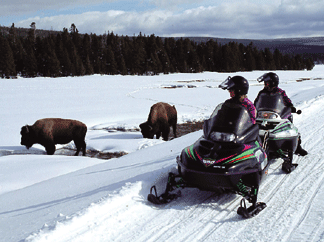 In the years since, the two-year extension of the Bush-era temporary plan stretched to four, and finally the new proposed plan has been released. In truth, it isn’t all that different than the Bush plan in terms of total numbers of snowmobiles and snowcoaches, though it tweaks a few elements in ways that may reduce some impacts, especially air quality, over time. It seems likely that the noise impacts will be roughly similar to those documented in a series of studies we covered here in 2009, in which NPS researchers found that snowmobiles or snowcoaches were audible over half the day in many popular areas, including at Old Faithful 68% of the time, and 59% of the time at Madison Junction. Still, the new plan does include some absolute dB limits for snowmobiles (67dB) and snowcoaches (75dB), and requires best-available technology on all vehicles by five years from now. The plan opens the door a crack to unguided groups (allowing one per day from each Park entrance), and continues the expensive practice of using explosives to keep a rarely-used pass open to snowmobiles (at the behest of the businesses in nearby Cody, Wyoming). While the plan slightly increases the average number of snowmobiles to be allowed (from 318 to 342), the actual daily average over the past several winters has been under 200 per day.
Given that previous plans have triggered lawsuits from both environmental groups seeking stricter rules and local business interests wanting fewer restrictions, it’s probably a good sign that both the Greater Yellowstone Coalition and the snowmobile group Blue Ribbon Coalition responded with generally positive comments, while unlike 2009, no instant legal challenge came from the State of Wyoming, either. Fatigue has finally settled in, it appears, as the BRC’s spokesman suggested: “I think for my organization it would be important to resolve this and come up with a long-range plan that doesn’t get challenged in the courts.”
For detailed coverage of the new plan, see this article from National Parks Traveller. The local Billings Gazette is always a good source for those wanting to track how this all unfolds.
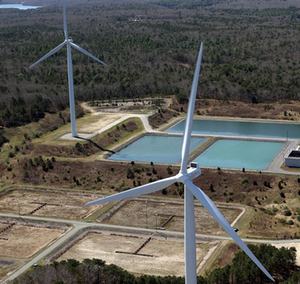 Even before meetings began, facilitators of the multi-stakeholder group convened in Falmouth to address widespread neighborhood complaints about noise from two town-owned turbines realized that the original goal of having group develop a consensus recommendation was too high a bar to aim for. So, the process was dubbed the “Wind Turbines Options Analysis Process,” with a hope of being able to present two or three options to the Selectmen for consideration before this spring’s Town Meeting.
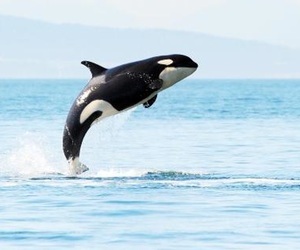 NOAA Fisheries announced on Monday that it would review the status of the southern resident population of killer whales, in response to a delisting petition from California farmers. In addition to boat noise, a decrease in salmon runs is a key driver of reduced orca populations, and protection plans for the orcas include protections for salmon, including maintaining river flows. The farmers claim this is denying them the water they need. The heart of the petition is a challenge to NOAA’s determination that this local population is genetically distinct and deserving protection, although the species as a whole is not threatened.
 While the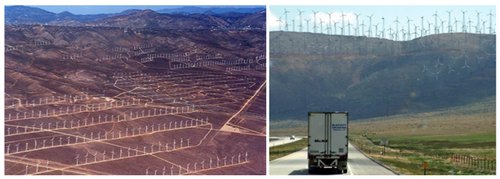
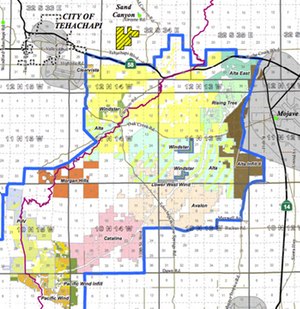 On the map to the left, yellow represents the existing development pictured above, and the other colors each represent a new development. For those living within this roughly 11 x 17 mile Wind Inclusion Area, the prospect is daunting. April Biglay, a local activist who’s been encouraging the county to proceed with caution, attended the first meeting, and said, “I think it’s bittersweet. I think the county is making a huge effort to get under control the production of wind energy. At least the studies are in. At least they are looking at these areas, I mean it’s better than nothing.”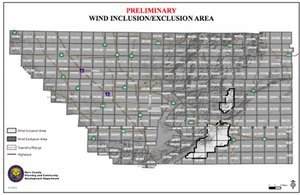
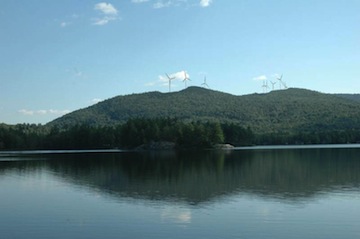 One year-round resident notes that the noise is loudest when his home is downwind of the turbines, and adds, “What is most interesting to me is that they seem loudest on the calmer days. That is, if the wind is barely existent, I can really hear them roaring.”
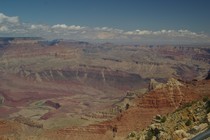 I guess the third time was the charm for John McCain in his relentless quest to undermine the National Park Service’s decades-long effort to slightly reduce aircraft overflight impacts in the Grand Canyon backcountry. Since the NPS released its draft plan several months ago, McCain had crafted amendments to a couple of pieces of legislation in an effort to codify the status quo overflight rules; this week, it was inserted into the Transportation bill that was passed by the House and Senate and quickly signed by President Obama. The Arizona and Nevada congressional delegations, including Harry Reid, had supported the effort to assure no changes to air tour operations (most air tours are based out of Las Vegas, allowing casino visitors a quick look at the canyon).